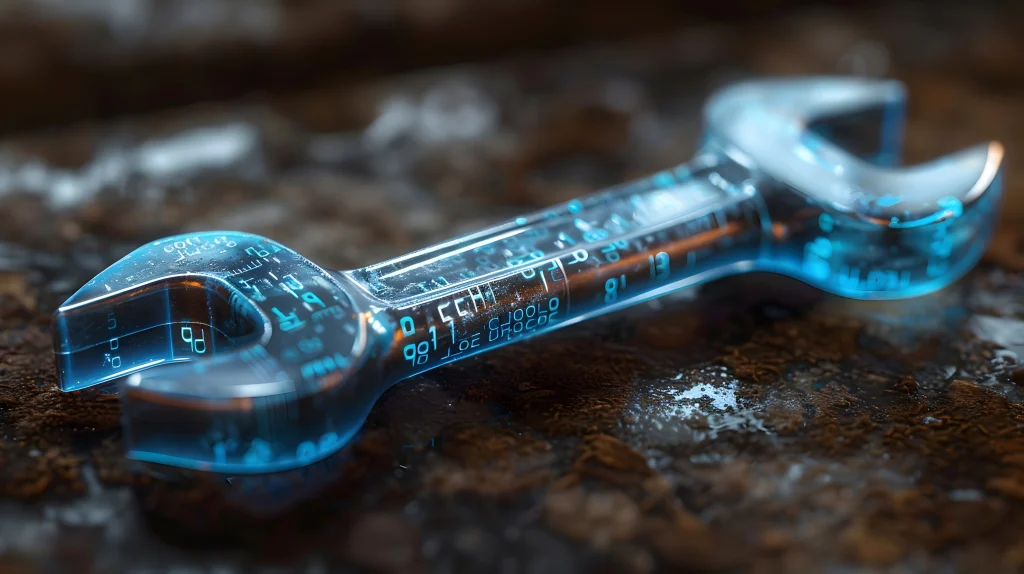
Seres Technologies invests in predictive maintenance and energy efficiency solutions. For example, a research project has made it possible to do a “remaining useful life” assessment for a combustible fuel cell system, to prevent unexpected breakdowns aided by an AI-based wear detection system. Seres Technologies also focuses on eco-design, cybersecurity (ISO/SAE 21434 Standard) and critical system safety.
Seres Technologies
The Automotive Industry
The automotive industry is experiencing an unprecedented period of transformation, marked by rapid technological change and vital safety challenges. While innovations such as self-driving cars, electrical vehicles and related services are on the rise, the industry is facing technical, regulatory and environmental challenges. This landscape requires careful consideration of operational safety and cybersecurity aspects to ensure secure mobility that takes environmental concerns into account.
Challenges faced by the automotive industry
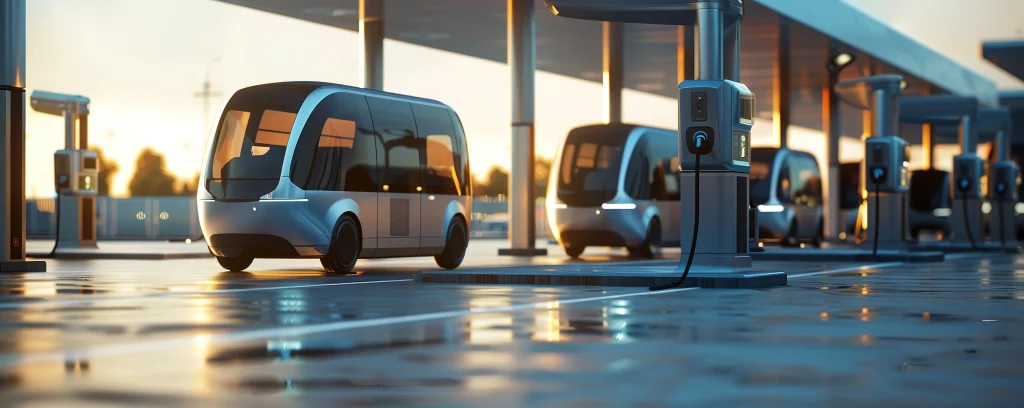
The global automotive industry is undergoing significant change. The rising uptake of electric vehicles and the arrival of self-driving cars is a prime example of this. This change imposes more stringent requirements in terms of safety and cybersecurity. Decision-making systems based on artificial intelligence must guarantee safe driving, while the linking of vehicles to digital services exposes them to growing cybernetic risks, necessitating in particular compliance with Standard ISO/SAE 21434 and UN regulations R155/R156.
In parallel, with the adoption of hydrogen-related technologies, energy transition poses new challenges in terms of the safety of storage systems and propulsion. Life cycle analysis makes it possible to minimise environmental impact by optimising the sustainable design of critical components to increase safety and prolong their lifespan.
The Seres Technologies expertise in the automotive industry
Human and Organisational Factors (HOFs) and Ergonomic Design
In the automotive sector, human and organisational factors and ergonomic design are essential in ensuring the standards, safety and efficiency of production processes. Ergonomics especially designed for the particular workstation at hand makes it possible to reduce fatigue, musculoskeletal disorders and human error, while improving operator wellbeing and productivity. Consideration of these aspects helps to reinforce competitiveness, customer satisfaction and the safety of end users.
As an indisputable player in managing industrial risks and in complex systems design, Seres Technologies offers advanced expertise in Human and Organisational Factors and Ergonomics to stakeholders in the automotive industry.
QHSERP
In the automotive sector, QHSE allows us to guarantee the quality of vehicles, the safety of users and compliance with the relevant standards. It allows us to design reliable products, while managing the risks related to their production and use. Safety is also becoming a challenge in the face of hacking threats. Reducing one’s ecological footprint, particularly in terms of polluting emissions and recyclability, has become a quintessential requirement today.
A key player in managing industrial risks and in complex system development, Seres Technologies offers advanced QHSE expertise to players in the automotive industry.
Integrated Logistics Support (ILS)
Integrated Logistics Support (ILS) is another facet of Seres Technologies’ expertise. The aim is to optimise maintenance policies in order to increase the availability and reliability of aircraft and systems, while containing operational costs. Drawing on approaches based on a prediction of needs and MSG-3 type civil engineering methods, Seres Technologies supports customers in defining customised solutions to provide efficient and sustainable support of complex aeronautics systems.
Operational reliability
Seres Technologies conducts in-depth risk analyses according to the requirements of Standard ISO 26262. Using fault tree and FMECA analyses, the company evaluates the risks related to the possible malfunction of radar sensors and embedded cameras. This makes it possible to ensure the reliability of critical systems (automatic emergency braking, lane keeping), which contributes to an overall improvement in the reliability of automotive components. RAMS studies allow us to anticipate malfunctions and ensure critical system safety throughout the vehicle’s lifespan, serving to strengthen trust among the industry’s stakeholders.
Mechanical Design
Mechatronic systems combine, in an integrated manner, mechanics, electronics, IT and automation to create smart, interactive mechanisms that are primarily found in the automotive industry.
The incorporation of these disciplines makes mechatronic systems more complex, which presents specific safety-related challenges: Complexity and multiple interactions, fault-related risks, functional safety, diagnosis and maintenance, as well as cybersecurity.
Seres Technologies conducts comprehensive mechanical studies (calculations, simulations, dimensioning, tolerance) on automotive parts, including engines, gear boxes and support structures. Seres Technologies’ expertise covers all the phases, from feasibility to manufacturing execution.
Expert Opinion
The regulatory standards and norms that Seres Technologies applies in the automotive industry
The benchmark standards that we apply as part of our services to ensure the compliance of systems and equipment in the automotive sector:
ISO 26262: Functional safety of electrical/electronic systems in vehicles.
PAS/ISO 21448: Safety of the intended functionality: for validation of ADAS (advanced driver assistance systems) and self-driving vehicles (cars, trucks, shuttles)
ISO/SAE 21434: Vehicle cybersecurity.
ISO 25119: Operational safety of agricultural engines.
UN Regulations R155 and R156: Cybersecurity of smart cars.
Example of a project carried out by Seres Technologies in the automotive sector
Reliability of Hydrogen and Electric Vehicles
Seres Technologies recently assisted with the development of hydrogen- and electrically-powered all-terrain vehicles. To achieve this, Seres Technologies drew on its expertise in cybersecurity, R&D and eco-design. From the design phase, a preliminary risk analysis (PRA) was conducted to evaluate potential fault scenarios typically encountered in inaccessible terrains. Predictive maintenance plans and eco-design strategies have been developed to reduce carbon footprint and optimise the maintenance costs of these vehicles.
Retrofitting of hydrogen trucks for Hyliko Trucks
Seres Technologies has been involved in the conversion of traditional trucks into hybrid electric and hydrogen vehicles for the Hyliko Trucks company. The development aim was to check the compliance of the secure architecture with quality Standards ISO 26262 and ISO/SAE 21434. Experts conducted in-depth risk analyses, developing fault trees and conducting FMECA studies for each critical component.
Do you have a project?
Our teams are here to listen, address your needs, and support you from design through to completion.
Unlock your potential at Seres Technologies
Joining Heliatec Ingénierie means you’ll be joining an international company that operates on a human scale, where a positive, collaborative-focused culture fosters a stimulating working environment. Thanks to the diversity of our projects across a wide range of sectors, each employee has the opportunity to take on ambitious technological and human challenges, developing their skills and contributing to major innovations.
Join our team
Would you like to join our team ? Please send us your resume :
FAQs
What is Seres Technologies’ commitment to the various centres of excellence?
Seres Technologies is an active member of a number of centres of excellence and associations, such as AgroTechnoPôle, CARA and the Society of Automotive Engineers (SIA). These partnerships allows Seres Technologies to contribute towards the development of innovative solutions. Also involved with the IMDR Risk Management Institute and the Nuclear Valley, Seres Technologies is developing its network in the energy and industrial security sectors.
What are the specific cybersecurity threats smart cars face?
Smart cars are exposed to attacks such as hacking of the engine control unit (ECU), remote takeover or ransomware attacks targeting software updates. To guard against his, Seres Technologies applies in particular Standard ISO/SAE 21434 to secure embedded systems.