Seres Technologies offers R&D solutions in robotics, covering both hardware and software, embedded intelligence, human-machine interfacing and industrial and specialised applications; optimisation of reliability and fault tolerance of robotic systems, validation of safe behaviours in complex environments, AI-assisted obstacle detection, and the improvement of existing robotic systems, among other aspects.
Seres Technologies
The Robotics Industry
Robotics is expanding on a major scale, transforming domains such as manufacturing, agriculture and logistics. While this revolution is improving productivity, it is also bringing to the fore safety and security challenges. With the advent of collaborative and autonomous robots, human-machine coexistence requires reliable and innovative solutions. Seres Technologies positions itself as a major player, offering solutions that meet the strictest standards for safe integration of these new technologies.
Challenges faced by the robotics industry
The development of autonomous agricultural machinery and the emergence of industrial robots are raising significant safety challenges. In 2022, according to the International Federation of Robotics (IFR), almost three million robots were operating worldwide. The risks are very present, particularly in environments shared with human operators. Poor synchronisation in a factory using collaborative robots could, for example, cause dangerous collisions.
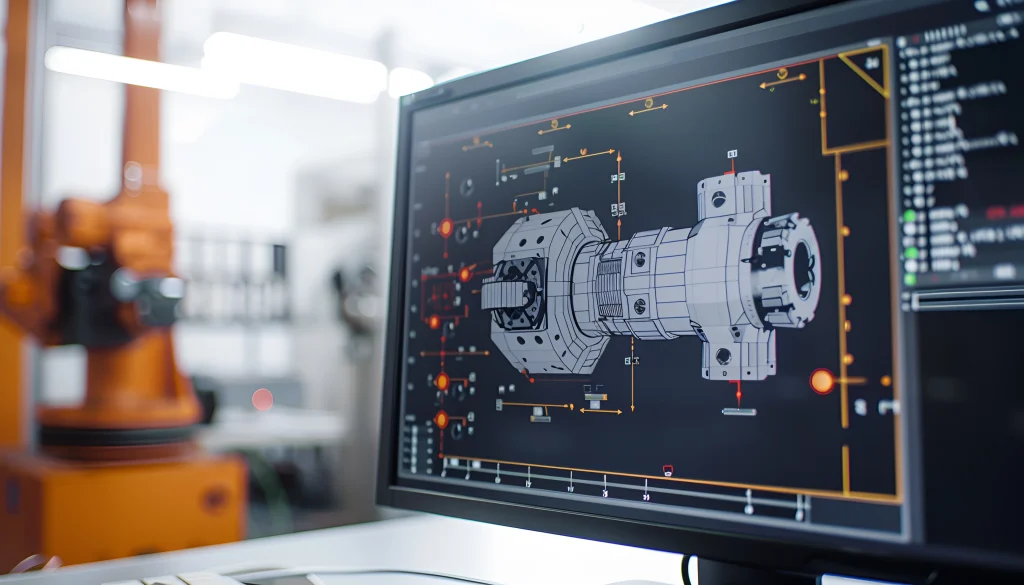
The maintenance phases also present high risks owing to the speed and power of the machines. To meet these challenges, Seres Technologies is designing solutions combining physical protective mechanisms with intangible systems such as artificial vision (digital environment twin) and real-time detection sensors, while it is also conducting in-depth regulatory audits and analyses.
The Seres Technologies expertise in the robotics industry
QHSERP
In the robotics domain, QHSE is essential in ensuring the seamless functioning, reliability and acceptability of automated systems. Quality guarantees continual performance, while safety is intended to protect users, especially in man-machine collaborative environments. Safety has become a major challenge with the rise of smart robotics. Risk management ensures that technical faults and unforeseen usages are anticipated.
As a key player in managing industrial risks and in complex system development, Seres Technologies offers advanced QHSE expertise to players in the robotics industry.
Integrated Logistics Support (ILS)
Integrated Logistics Support (ILS) aims to ensure that roboticised equipment, particularly self-drive vehicles, are able to operate optimally throughout their lifespan. Seres Technologies conducts comprehensive studies to anticipate maintenance needs, optimise systems availability and minimise operating costs. Seres Technologies uses its multi-disciplinary expertise to help its customers to integrate high-performance solutions in complex environments such as industrial production zones and autonomous transport networks, taking into account logistics constraints and safety imperatives.
Operational reliability
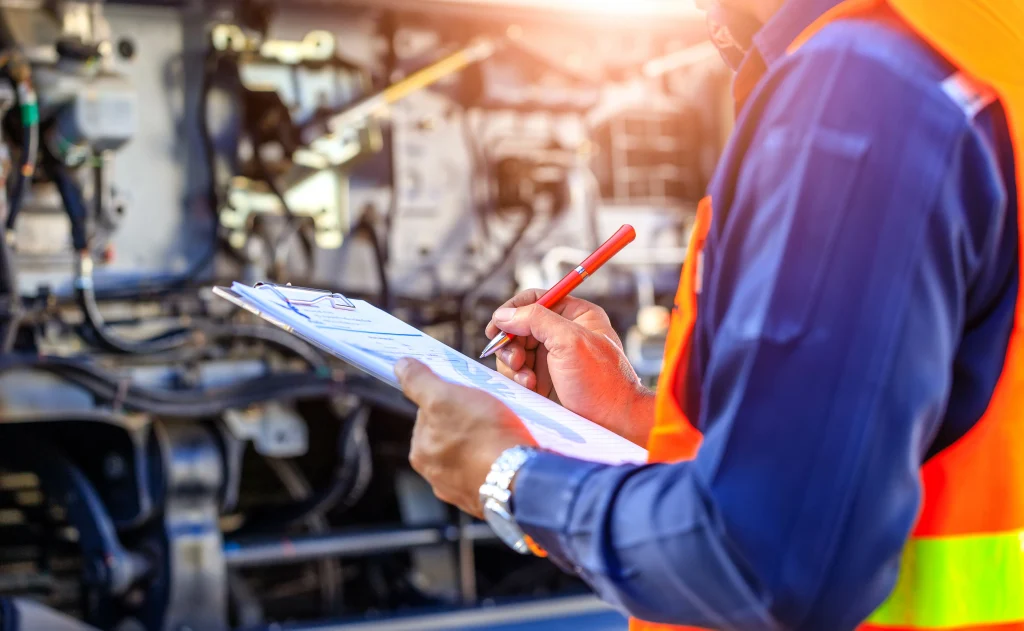
Seres Technologies provides in-depth analyses to ensure that each solution deployed follows the strictest safety standards, such as Standard ISO 13849, ISO 25119 and the Machinery Directive. These studies allow us to identify potential risks, prevent faults and minimise accidents by evaluating each component and process. Drawing on methods such as Failure Modes, Effects and Criticality Analysis (FMECA) and strength tests, Seres Technologies anticipates critical scenarios and offers improvement plans to optimise the functional safety of robots in varied environments (production chains, agricultural sites, automated warehouses).
Human and Organisational Factors (HOFs) and Ergonomic Design
The integration of Human and Organizational Factors (HOF) is essential to ensure a harmonious coexistence between operators and robotic systems. Robots must be designed to adapt to human physical and cognitive capabilities. For example, “cobots” are equipped with sensors that detect human movements in order to adjust their trajectories and prevent collisions.
Mechanical Design
The rise of smart robots and self-drive vehicles brings with it new cybersecurity-related challenges and calls for the management of unforeseen situations, making a global, scalable safety approach essential, from the design phase, across the entire system life cycle.
With its Mekkatronix design office, Seres Technologies supports players in the robotics sector (standalone robots, submersible drones, etc.) to develop new materials and ensure the reliability of existing systems, in accordance with the current regulations.
Expert Opinion
The regulatory standards and norms that Seres Technologies applies in the robotics industry
- ISO 13849: Machine Safety.
- The Machinery Directive calls for demonstration of the safe operation of automated equipment, thereby ensuring a high level of protection for users, and faultless regulatory compliance.
Do you have a project?
Our teams are here to listen, address your needs, and support you from design through to completion.
Example of a project carried out by Seres Technologies in robotics
Design of underwater military drones
As part of its defence and safety project portfolio, Seres Technologies is working with one of its partners to design military underwater drones with an advanced level of autonomy, that are able to perform complex tasks in underwater environments. These drones are equipped with sophisticated sensors and the latest embedded software to carry out surveillance, detection or reconnaissance operations with a high level of precision. The design of such equipment requires advanced expertise in robotics and operational safety to ensure optimal performance, even in hostile environments. By doing this, Seres Technologies is helping to make these strategic devices safer and more reliable, to meet the critical needs of armed forces.
Securing autonomous agricultural equipment
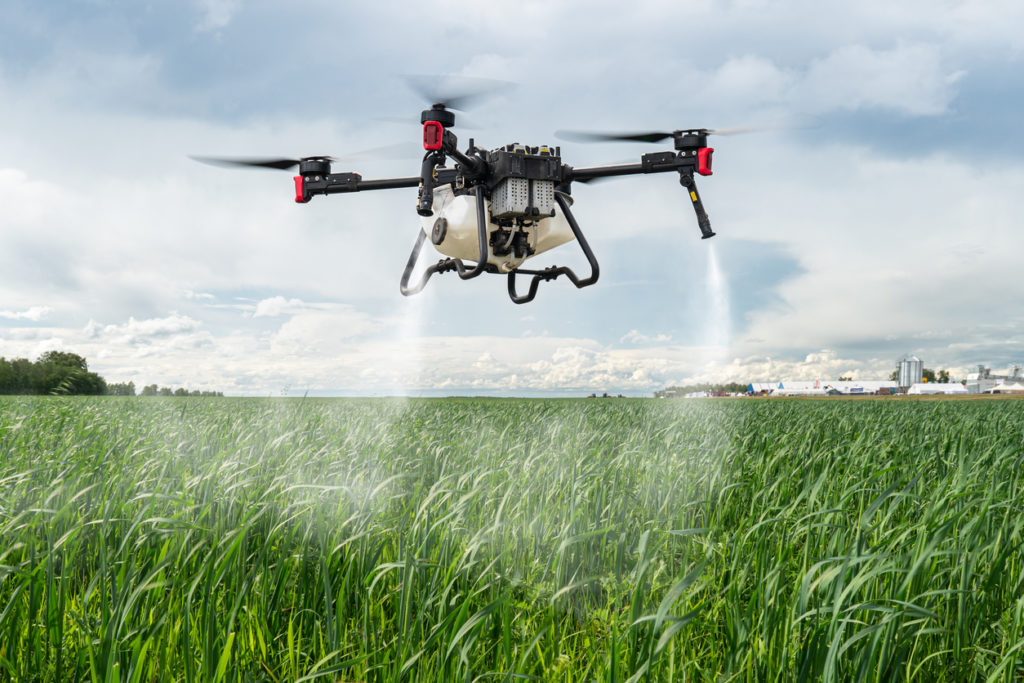
Seres Technologies supports manufacturers of agricultural machines in designing and securing robots capable of operating autonomously using advanced GPS navigation and mapping systems. These robots are designed to carry out agricultural tasks such as providing labour, sowing and harvesting crops with increased precision, helping to make manual labour less onerous. Their deployment carries significant risks, particularly critical errors which could lead to the destroying of crops, or collisions with operators in the field. Seres Technologies offers solutions that notably incorporate detection and correction systems to enhance safety and optimise the performance of autonomous equipment.
Unlock your potential at Seres Technologies
Joining Seres Technologies means you’ll be joining an international company that operates on a human scale, where a positive, collaborative-focused culture fosters a stimulating working environment. Thanks to the diversity of our projects across a wide range of sectors, each employee has the opportunity to take on ambitious technological and human challenges, developing their skills and contributing to major innovations.
Join our team
Would you like to join our team ? Please send us your resume :
FAQs
How can robotic systems change to meet sustainability imperatives?
New generation robots are designed to consume less energy and use recyclable materials. The shift towards modular systems and predictive maintenance also prolong the lifespan of equipment, thereby limiting its environmental impact.
How do you guarantee man-machine co-habitation in a collaborative environment?
This is done by integrating sophisticated detection systems, such as artificial vision and proximity sensors, and through the design of intuitive man-machine interfaces for better interaction with operators.